Hackney Council rules for flowers at Victoria Park events
Posted on 11/10/2026
Hackney Council rules for flowers at Victoria Park events: what you need to know before you plan
If you are arranging flowers for a Victoria Park event, the rules can feel a bit murky at first. Can you bring in free-standing displays? Do floral arches need approval? What about petals, confetti-style installations, or flowers attached to marquees and staging? The short answer is that Hackney Council rules for flowers at Victoria Park events are usually about protecting the park, keeping people safe, and making sure the event runs without avoidable disruption.
That sounds simple, but in practice there is a lot to think about. A wedding on the bandstand, a community celebration, a corporate reception, or a public festival all place different demands on the space. Flowers are often the part that makes the event feel special, yet they can also create issues with access, waste, anchoring, allergies, or damage to grass and planted areas. This guide breaks it down in plain English so you can plan confidently, avoid last-minute surprises, and choose floral arrangements that work beautifully in a public park setting.
We will look at how permissions tend to work, what councils and venue teams normally care about, what to ask your florist, and how to avoid the little mistakes that cause the biggest headaches. Truth be told, most problems are preventable with a bit of early planning.
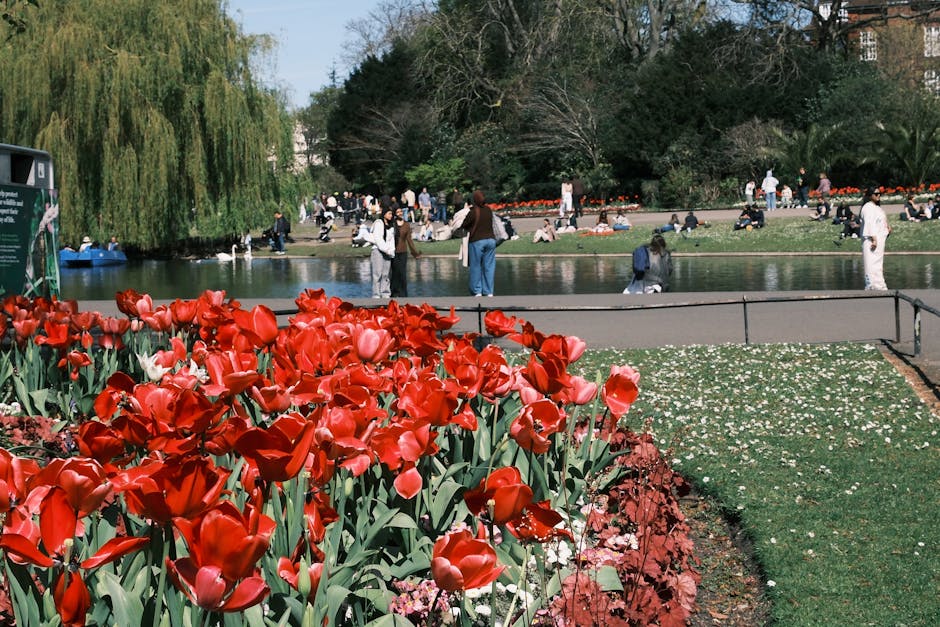
Why Hackney Council rules for flowers at Victoria Park events Matters
Victoria Park is a much-loved public space, and that alone explains why floral displays are not treated as an afterthought. A park event is not the same as decorating a private venue. You are working in a shared environment with paths, grass, trees, wildlife, visitors, staff, and other booked activities to consider. That means flowers are judged not only for beauty, but for practicality.
There are a few reasons the rules matter. First, safety. Tall arrangements, unstable stands, trailing stems, and loose decor can become trip hazards or block sightlines. Second, protection of the park surface. Heavy containers or fixed installations can damage lawns and hardstanding. Third, public access. If flowers are placed too close to routes, entrances, or emergency access points, the whole event can become awkward very quickly. Nobody wants a gorgeous display causing a bottleneck near the refreshment area. Not ideal.
There is also the reputational side. If you are hosting a wedding or branded event, flowers are part of the experience guests remember. A tidy, compliant setup looks considered and professional. A rushed one, on the other hand, can feel improvised. Hackney Council guidance, plus any venue-specific event conditions, helps you make sure the floral design supports the event rather than fighting it.
Expert summary: If flowers are part of your Victoria Park event, treat them as part of the site plan, not just the styling. The earlier you think about placement, fixings, waste, and access, the easier everything becomes.
In our experience, the best floral plans are the ones that look effortless because a lot of effort happened behind the scenes.
How Hackney Council rules for flowers at Victoria Park events Works
The exact process can vary depending on the type of event, the size of the setup, and what part of the park you are using. In general, the council or park management wants enough detail to understand what will be brought in, where it will go, how long it will stay, and how it will be removed afterwards.
For smaller and lower-impact displays, the process may be fairly straightforward. For larger installations, such as floral arches, ceremony entrances, stage dressing, branded backdrops, or table-heavy receptions, you are more likely to need a fuller event plan. If flowers are being attached to structures, draped from frames, or mixed with lighting and fabric, then the risk profile rises a little. That means more scrutiny, and rightly so.
As a rule of thumb, the more the display changes the park environment, the more it needs checking. A few hand-tied bouquets on tables? Usually simple. A floral wall with a weighted base on the grass? More to discuss. A flower tunnel on a public route? Definitely something to ask about early.
Most organisers should expect to confirm details such as:
- the type of flowers and display format
- the exact location within the park
- the size, height, and footprint of the installation
- whether anything will be fixed, pegged, weighted, or tied down
- delivery and collection times
- waste removal and pack-down responsibilities
- any impact on access, surfaces, or nearby users
That is the broad shape of it. The exact approval route may sit with an event organiser, park booking team, or council contact depending on how the event is being managed. If you are also coordinating wider event logistics, it can help to review your wider service options such as wedding flowers in Hackney Wick or corporate accounts if the event is business-led and requires repeat deliveries or invoicing.
Key Benefits and Practical Advantages
Following the rules is not just about avoiding a complaint or an awkward phone call. Done well, it gives you a better event. That is the honest version.
Here are the main benefits:
- Smoother approval: clear floral plans are easier for event teams to accept.
- Fewer surprises on the day: you know what can be brought in and where it goes.
- Better safety: appropriate arrangements reduce trip hazards and clutter.
- Less stress for suppliers: florists can design with the venue rules in mind.
- Cleaner finish: a compliant setup usually packs down faster and neater.
- Better guest experience: the display looks polished instead of improvised.
There is also a subtle but important benefit: confidence. Once the floral plan is aligned with the venue and park expectations, everything else tends to settle down. The caterer knows where they can move. The photographer knows the best backdrop. The organiser can stop worrying about whether those freestanding vases are going to be in the wrong place by 3 p.m.
For organisers working to a budget, this matters too. If you choose flowers that suit the site from the outset, you avoid wasted spend on oversized or impractical arrangements. For example, a compact seasonal design may be a better fit than a large structure that needs extra ballast, labour, or approvals. If that is your situation, browsing options like cheap flowers in Hackney Wick or florist choice can help you stay within budget while keeping the look elegant.
Who This Is For and When It Makes Sense
This guidance is useful for anyone planning flowers for an event in Victoria Park, but the specifics matter more for some groups than others.
You need to pay close attention if you are:
- planning a wedding ceremony or reception in the park
- organising a public festival or ticketed event
- arranging corporate hospitality outdoors
- setting up a private party with hired park space
- working as an event planner, stylist, or florist
- managing branded installations with signage and decor
It also makes sense for people who are simply trying to avoid a stressful day. Let's face it, event mornings move fast. Flower vans arrive, tables are still being dressed, somebody is asking where the registrar is, and someone else has misplaced the ribbon. A clear plan helps keep the whole thing sane.
For weddings in particular, flowers often carry more than one role. They can define the ceremony area, create photos, soften a marquee or stretch tent, and tie together the colour palette. A couple may want a romantic look with roses and peonies, while an organiser for a summer event may prefer something lighter and more weather-friendly. If your event includes a wedding element, related options such as wedding table arrangements, bridal bouquets, or buttonholes can be helpful starting points for planning around the venue.
Step-by-Step Guidance
If you want to handle this properly, do not start with flower colours. Start with the site and the rules. Colour choice comes later, after the practical checks.
- Confirm the event type and booking arrangement.
Is this a private hire, a public event, or a smaller gathering with limited decor? The level of oversight often depends on that first distinction. - Map the floral areas.
Decide where flowers will appear: entrance, ceremony focal point, tables, stage, sign-in area, or photo spot. Keep the list realistic. You do not need flowers everywhere. - Check what is being fixed or weighted.
Anything attached to park structures, fencing, gates, trees, or temporary builds needs special care. If something could blow over, it probably will, especially on a breezy afternoon. - Measure the space and access routes.
Work out widths for trolleys, delivery vehicles, and setup teams. Victorian parks and London event sites are not exactly built for unlimited turning circles. - Choose suitable mechanics.
Use containers, stands, or frames that match the surface. Avoid anything that could sink into grass or scratch paving. This is where a florist with event experience earns their keep. - Set the delivery and collection window.
Flowers should arrive early enough to be installed calmly, but not so early that they wilt in the sun or the weather turns against them. - Plan the pack-down.
Who removes the flowers, packaging, water vessels, ties, tape, and broken stems? Do not assume someone else will sort it out. - Keep a backup plan.
Weather, traffic, and timing can all shift. A second arrangement option or reduced setup version can save the day if access is delayed.
A good real-world habit is to walk the site, if you can, before confirming the design. Even a five-minute look changes decisions. You notice the slope of the grass, where people naturally drift, and which areas feel too tight for anything tall or fragile.
Expert Tips for Better Results
A few small choices make a surprisingly big difference. Here are the ones that tend to matter most.
- Choose sturdy flowers for outdoor conditions. Roses, alstroemeria, chrysanthemums, and seasonal mixed stems often cope better than extremely delicate blooms in variable weather.
- Keep tall designs low-risk. If you want height, use secure bases and keep the upper structure lightweight.
- Think about wind first. It sounds dull, but wind is the quiet spoiler of many an elegant floral plan.
- Use colour intentionally. Pale shades look refined in daylight, while stronger tones can read better in photos and from a distance.
- Match the flower style to the event tone. A formal wedding may suit whites and soft pinks; a summer celebration might call for mixed colours or cheerful seasonal stems.
- Ask for delivery flexibility. London traffic has its own ideas. Build in margin.
- Design for reuse where possible. Ceremony flowers can sometimes be repurposed for reception tables or the gift area. That is smart and more economical.
If you are working with a florist, ask how they secure arrangements outdoors. Some teams use discreet weights, water tubes, hidden frames, or lower centre-of-gravity designs. Those details matter more than the vase label, frankly.
One more thing: if you want a premium look without making the setup fussy, go for fewer, better-placed pieces. A clean entrance arrangement and a well-dressed table can do more than twenty small items scattered everywhere.
Common Mistakes to Avoid
Most floral issues at park events come from the same handful of mistakes. None are dramatic on their own, but together they can derail a setup.
- Assuming flowers are automatically allowed. Some items need approval even if they seem harmless.
- Ignoring anchoring and stability. A display that looks fine indoors can become risky outside.
- Over-ordering for the space. Bigger is not always better. Sometimes it is just clutter.
- Forgetting cleanup responsibilities. Leftover water, broken stems, and packaging create problems quickly.
- Choosing delicate flowers for hot or windy conditions. They may look beautiful at 10 a.m. and tired by mid-afternoon.
- Blocking movement routes. Guests need to get around freely, and emergency access must remain clear.
- Leaving approval to the last minute. This is the classic one. It works right up until it doesn't.
A small but common oversight is not aligning the florist and the event manager. The florist may be thinking in design terms, while the venue team is thinking in access and risk terms. Both are right. Both need to talk to each other.
And yes, even lovely things can go wrong if nobody owns the pack-down. Flowers are charming. Wet ribbons and discarded cellophane, less so.
Tools, Resources and Recommendations
You do not need a huge toolkit, but a few practical items make planning much easier.
- Site plan or layout sketch: useful for marking floral placements and access routes.
- Floral inventory list: helps you track what goes where and what needs collecting afterwards.
- Delivery schedule: keeps the florist, organiser, and venue team aligned.
- Weather check: particularly useful for outdoor setups, even in summer. British weather likes a plot twist.
- Pack-down checklist: ensures nothing gets left behind.
- Supplier notes: include care instructions for each arrangement if multiple teams are involved.
From a product perspective, it helps to choose styles that fit the event rather than trying to force a catalogue look into the space. For instance, if you are planning a softer palette, white flowers, pink flowers, or mixed colours can each create a different mood without overcomplicating the setup. For larger outdoor events, seasonal ranges such as summer flowers or autumn arrangements may be better suited to the conditions.
If you want the planning to feel easier, use a florist who is comfortable with event delivery, staged setup, and practical removal. You can also review delivery details and flower care advice to understand how timing and handling can affect the final result.
Law, Compliance, Standards, or Best Practice
Because this topic sits in a public space context, compliance matters. Not every floral arrangement needs formal sign-off, but event organisers should assume that anything affecting the site, public access, or safety may need review.
In practical terms, the main principles are straightforward:
- Do not obstruct access. Entrances, exits, walkways, and emergency routes must remain usable.
- Do not damage the site. Avoid fixings or weights that could harm grass, paving, trees, or park furniture.
- Keep installations stable. Outdoor decor must be secured against wind and crowd movement.
- Remove waste promptly. Packaging, stems, water, wire, and tape should be cleared away.
- Consider public safety and accessibility. Visitors with prams, wheelchairs, mobility aids, or visual impairments need clear routes.
Best practice is often stricter than the bare minimum. That is not a bad thing. A florist or organiser who plans with compliance in mind usually saves time and stress later. It also gives the event a more professional finish. To be fair, even the prettiest flowers should know when to sit quietly and not cause a trip hazard.
For corporate and brand-led events, it can also help to align floral choices with the wider event policy. If the event is being run under a company account, a repeat-order structure such as corporate accounts can support consistency, while the terms and conditions and returns guidance can clarify responsibilities if timing or product issues arise.
Options, Methods, or Comparison Table
Different floral approaches suit different kinds of Victoria Park events. The best choice depends on footprint, weather, setup time, and the look you want to achieve.
| Floral option | Best for | Pros | Watch-outs |
|---|---|---|---|
| Table posies and small arrangements | Dining tables, welcome tables, smaller receptions | Simple, elegant, easy to place, low risk | Can feel underwhelming if the space is very large |
| Free-standing statement pieces | Ceremony entrances, photo spots, stage edges | Strong visual impact, great for photos | Need stable bases and more planning |
| Garlands and dressed structures | Arches, railings, marquee frames | Romantic and immersive | Usually needs approval and careful fixing |
| Repurposable ceremony flowers | Budget-conscious weddings and events | Efficient, flexible, less waste | Requires tight timing and coordination |
| Seasonal mixed displays | Outdoor events in changing weather | Usually robust, colourful, and adaptable | Need good design to avoid looking too busy |
In many cases, the best choice is a blended one. A clean statement arrangement at the entrance, smaller table pieces inside, and repurposed flowers after the ceremony can give you the most value without crowding the park.
Case Study or Real-World Example
Imagine a late-summer wedding at Victoria Park with a ceremony near a hired event space and a relaxed drinks reception afterwards. The couple wants something stylish but not overdone: soft whites, pale pinks, a little greenery, and one focal arch for photos.
At first, the plan includes several freestanding vases, a floral arch, scattered petal details, and a large welcome area full of decor. It looks beautiful on paper. It also feels a bit too much for the site. The event organiser and florist then trim it back.
The revised plan uses two secure arrangements at the ceremony point, a modest table design for the welcome area, and repurposed flowers moved to the drinks tables after the vows. The arch is redesigned with a more stable base and a smaller footprint. No loose petals near paths. No clutter around the access route. Just a clean, calm layout that suits the park and still photographs well.
What changed? Not the style. The planning. The couple still got the romantic look they wanted, but the setup became easier to approve, easier to install, and easier to enjoy. You could almost hear the sigh of relief from the coordinator when the final layout was agreed.
That is the pattern you see again and again: good floral design in a public park is usually the result of small practical edits, not big compromises.
Practical Checklist
Use this checklist before you finalise your event flowers for Victoria Park.
- Have you confirmed the event booking and who approves floral installations?
- Do you know exactly where each arrangement will go?
- Have you checked whether anything will be fixed, weighted, tied, or pegged down?
- Will the flowers block entrances, exits, walkways, or viewing lines?
- Are the flowers and mechanics suitable for outdoor conditions?
- Have you planned delivery and collection times with enough buffer?
- Does someone know who removes packaging, water, and waste?
- Have you considered wind, sunlight, and possible rain?
- Have you matched the design to the event type and guest count?
- Do you have a backup plan if access or timing changes?
If you can tick most of those off, you are in good shape.
Conclusion
Hackney Council rules for flowers at Victoria Park events are really about balance: beautiful decor that still respects the park, the public, and the practical realities of an outdoor venue. Once you think in those terms, planning gets much easier. Flowers stop being a risk and start becoming part of the structure of the day.
Whether you are styling a wedding, a corporate gathering, or a community celebration, the winning formula is the same: keep the design appropriate, secure the installation, plan the delivery, and clear the site properly afterwards. Simple enough, but easy to overlook in the rush.
If you are still deciding on the right flower style, explore options that suit your event mood and budget, then build the rest of the plan around the park setting. A thoughtful approach will always look better than a rushed one, and it tends to feel better too.
Get a free quote today and see how much you can save.
With a bit of care and the right floral choices, your Victoria Park event can feel calm, polished, and genuinely memorable. That is the part people remember, long after the last stem has been cleared away.
Frequently Asked Questions
Do I need permission for flowers at a Victoria Park event?
Often, yes for anything beyond very simple decor. Small table flowers may be straightforward, but larger installations, fixed items, arches, or anything affecting access are more likely to need approval. It depends on the booking and how the event is being managed.
Can I use flower petals on the ground in Victoria Park?
Possibly, but only if the event organiser or park team is happy with it. Petals can create slip issues, litter concerns, and cleanup work, so they are not always suitable for public outdoor settings.
Are floral arches allowed at park events?
They can be, but they usually need to be stable, safe, and positioned so they do not block routes or damage the site. The structure and footprint matter as much as the flowers themselves.
What flowers work best for outdoor events in Hackney?
Hardier blooms and seasonal arrangements often perform better outdoors. Roses, alstroemeria, chrysanthemums, and mixed seasonal flowers are commonly chosen because they can hold up well with a bit of weather exposure.
How far in advance should I check the rules?
As early as you can. The floral plan affects delivery, site access, labour, and sometimes the choice of arrangements. Waiting until the week of the event can leave you with very few options.
Can my florist deliver directly into Victoria Park?
In many cases they can, but delivery access usually needs to be arranged in advance. Vehicle access, timing, and unloading points should be checked before the day, not during the morning rush.
Do I need different flowers if the event is a wedding or a corporate event?
Often, yes. Weddings tend to need more emotional styling and ceremony-focused arrangements, while corporate events usually benefit from clean, brand-friendly, lower-maintenance designs. The site rules still apply either way.
What happens if I ignore the venue guidance?
You risk delays, removal of the installation, extra costs, or a setup that simply does not work. In a public park, ignoring guidance can also create safety issues or complaints from other users.
Are scented flowers a problem at events?
They can be for some guests, especially in enclosed or partially enclosed spaces. Strong fragrance is not always a bad thing, but it is worth thinking about if food, allergies, or close seating are involved.
Can I reuse ceremony flowers for the reception?
Yes, and it is one of the smartest ways to stretch your budget. Just make sure the schedule allows enough time for moving the arrangements, and keep the designs easy to lift and re-place.
What should I ask my florist before booking?
Ask how they handle outdoor installations, what they use for securing arrangements, whether they have experience with public-park events, and how delivery and pack-down work. Those answers will tell you a lot.
How can I keep flower costs under control without losing quality?
Use fewer statement pieces, choose in-season flowers, repurpose arrangements between ceremony and reception, and work with a florist who understands practical outdoor setups. A smaller, well-placed design often looks better than an overfilled one.


