Council flower waste rules Hackney responsible disposal
Posted on 31/10/2026
If you are dealing with spent bouquets, tired wedding flowers, shop waste, or the aftermath of a big event, the question is usually the same: what counts as responsible flower disposal in Hackney, and how do you stay on the right side of council expectations without overcomplicating it? The truth is, most flower waste is straightforward to manage once you know the basics. But a few common mistakes - mixed bins, plastic ties left on stems, the wrong collection point - can quickly turn a simple job into a messy one.
This guide breaks down Council flower waste rules Hackney responsible disposal in plain English. You will learn what the rules mean in practice, how to sort flower waste properly, where the tricky bits tend to be, and how to choose the cleanest, most sensible disposal method for homes, florists, venues, offices, and events. A bit of care goes a long way here, and so does common sense. Let's get into it.
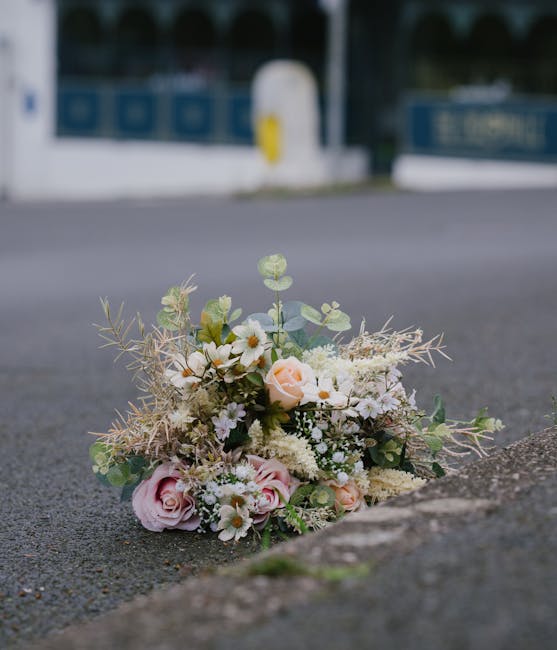
Why Council flower waste rules Hackney responsible disposal Matters
Flower waste looks harmless at first glance. It's soft, natural, and doesn't feel like the sort of thing that needs much thought. But in practice, waste flowers can be surprisingly awkward: they wilt quickly, drip water, smell if left too long, and often come bundled with ribbon, plastic sleeves, tape, foam, or wire. That mix matters.
Hackney residents and businesses are expected to dispose of waste in a way that supports recycling, reduces contamination, and avoids unnecessary nuisance. If flower waste is thrown into the wrong bin, it can spoil other recyclable materials. If it is dumped loose in communal areas, it can attract pests or create a bad smell, especially in warm weather. You notice it most in the summer, when a bin lid won't quite shut and the whole corner starts to feel a bit off. Not dramatic, just inconvenient - and avoidable.
Responsible disposal is also about respect. For florists, venues, and event organisers, leftover flowers are part of your presentation and your duty of care. For households, it's about keeping waste streams clean and making the easiest choice the right one. That's really what good council waste practice comes down to: not perfect, just properly sorted.
Expert summary: Flower waste should usually be kept separate from recyclable packaging, stripped of non-organic materials where practical, and placed in the correct local waste stream. The cleaner the separation, the easier the disposal.
How Council flower waste rules Hackney responsible disposal Works
At a practical level, flower disposal starts with one simple question: what is actually in the waste? Fresh stems, leaves, petals, and deadheaded blooms are different from florist wrap, foam blocks, cable ties, printed cards, plastic pots, or ribbons. The organic parts and the non-organic parts should not be treated the same way.
In Hackney, the sensible approach is to sort flower waste before it goes out. If the material is clean and suitable for organic waste streams, it may be handled differently from general rubbish. If it is mixed with plastic, cellophane, floristry foam, or hard-to-remove decoration, it often needs to go into residual waste unless your local service clearly allows otherwise. To be fair, this is where many people get caught out. They assume "flower = green waste" and call it a day. Usually not enough.
The best way to think about it is in layers:
- Organic plant material: stems, leaves, petals, blooms, and roots.
- Reusable materials: vases, buckets, plant trays, gift bags, and decorative containers that can be cleaned and reused.
- Recyclable packaging: cardboard sleeves, paper wraps, and some paper gift tags if they are clean.
- Residual waste: foam, wired stems that cannot be separated, plastic wrap, sticky tape, and anything contaminated.
This separation is especially important for businesses. A florist clearing down at the end of the day, a wedding venue after a Sunday function, or an office sending out condolence flowers for a colleague all create different waste profiles. The better the sorting, the easier it is to keep disposal efficient.
One more thing: flower waste should not be left sitting around for days. Fresh blooms decompose quickly and can make bins smell, leak moisture, and attract flies. If you have ever opened a bin on a hot afternoon and been greeted by that sweet, sour compost smell, you'll know exactly what I mean. Not pleasant.
Key Benefits and Practical Advantages
Following the right disposal approach is not just about avoiding problems. There are some genuinely practical advantages too.
- Cleaner bins and communal areas: properly bagged or separated flower waste is less likely to leak or make a mess.
- Less contamination: clean waste streams are easier to manage for collection teams and recycling systems.
- Better hygiene: removing soggy flowers promptly reduces odour and pest issues.
- Less sorting later: a few extra minutes spent separating materials now can save a lot of time later.
- Smoother business operations: florists and venues avoid avoidable clutter during busy periods.
- More sustainable habits: choosing the right stream helps reduce unnecessary landfill disposal where a greener option exists.
There's also a reputational benefit, which matters more than people sometimes admit. A florist that presents itself as organised and environmentally thoughtful builds trust. An event venue that clears waste properly looks professional. Even at home, keeping your waste tidy has a small but real effect on how your building feels. Little things, but they add up.
Who This Is For and When It Makes Sense
This guidance is relevant to a wide range of people in Hackney, and not just those who work with flowers every day.
Households
If you have been gifted a bouquet, bought flowers for your flat, or had flowers from a celebration, you'll need a simple, reliable way to dispose of them once they fade. Most household cases are small, but they still benefit from proper sorting.
Florists and flower shops
Shop waste can build up quickly: cut stems, water buckets, damaged stock, packaging, and floral foam all appear in the same service area. This is where a clear waste routine really matters. A busy morning can become chaotic if there's no system in place. Truth be told, flower shops feel the pressure first.
Event organisers and venues
Weddings, memorials, launches, conferences, and seasonal events create large, time-sensitive amounts of floral waste. The question is not just "where does it go?" but "how quickly can it be cleared without disrupting the venue?"
Offices and workplaces
Corporate arrangements are often overlooked. They arrive beautifully wrapped, sit on reception for a week, then suddenly need clearing. If your office uses flowers for client-facing spaces, a small disposal plan saves hassle.
Funeral and memorial settings
Sympathy flowers and tribute arrangements need especially respectful handling. Some parts may be reusable, some may be personal keepsakes, and some may need to be disposed of carefully after the service. That's a sensitive moment, and a rushed clean-up never helps.
Step-by-Step Guidance
If you want a practical routine rather than theory, use this process. It works well for homes, shops, and events alike.
- Separate the flowers from the extras. Take off cards, cellophane, rubber bands, ribbons, and tape where possible.
- Check what can be reused. Vases, buckets, and presentation boxes may be reused or repurposed instead of thrown away.
- Sort the organic material. Place stems, petals, and leaves together if they are suitable for the relevant organic waste stream.
- Isolate contaminated materials. Foam, plastic, glittered packaging, and wet adhesive materials usually go with general waste unless local guidance says otherwise.
- Keep the waste dry where possible. Drain excess water from buckets before disposal. Wet waste is heavier, messier, and harder to manage.
- Bag or contain the waste properly. Use a strong bag or container that won't split. There's nothing glamorous about a burst bag on the pavement.
- Put it out at the right time. Don't leave flower waste sitting for too long in warm rooms or shared hallways.
- Sanitise tools and surfaces after sorting. Especially for florists and venues, a quick wipe-down prevents odours and sticky residue.
If you are dealing with a large quantity, break the task into batches. One tray at a time is less annoying than trying to clear everything in one go. Small detail, but it helps.
Expert Tips for Better Results
A few habits make flower waste management much easier. These are the little things experienced teams rely on.
- Set up two bins, not one. A "flower/organic" container and a "mixed waste" container keep decisions simple under pressure.
- Remove packaging at the point of use. Don't let ribbons, wrap, and foam pile up near the workbench.
- Use liners that actually fit. A bad liner is a guaranteed nuisance. It slips, tears, and makes the whole task feel ten times worse.
- Drain floral buckets before disposal. Water left in containers creates leaks and makes everything heavier than it needs to be.
- Store waste away from heat sources. Especially during summer or in sunlit shopfronts.
- Label collection containers clearly. For teams, this reduces errors when staff are busy.
- Plan for peak times. After weddings, holidays, Mother's Day, or Valentine's Day, waste volume can jump quickly.
A small bit of humour, because it's true: flowers are lovely right up until they are not. Then they become a surprisingly stubborn waste problem. Planning ahead saves a lot of sighing.
Common Mistakes to Avoid
Most problems with flower disposal come from simple, repetitive errors. The good news? They are easy to fix once you know them.
- Mixing flowers with recyclable packaging. Wet petals can ruin cardboard and paper recycling.
- Leaving plastic wrap on stems. It seems quicker at the time, but it creates contamination later.
- Throwing floral foam into the wrong stream. Foam is not organic waste and usually needs separate handling.
- Overfilling bags. Heavy, wet floral waste can split bags and create spills.
- Ignoring smell and moisture. The longer waste sits, the harder it is to manage.
- Assuming all councils treat it the same way. Local arrangements can differ, so it is wise to check the current guidance for your property or business setup.
- Leaving stems in water for too long. This can create leakage and a bit of a swampy situation, which nobody wants.
The most common mistake is actually a mindset one: treating flower waste as an afterthought. Once you give it a simple system, it stops being a nuisance.
Tools, Resources and Recommendations
You do not need a complicated setup to dispose of flower waste responsibly. In most cases, a few basic tools are enough.
- Sturdy waste bags for mixed or residual flower waste.
- Separate containers for organic material, packaging, and reusable items.
- Pruning snips or scissors to remove ties and trim stems quickly.
- Reusable buckets or tubs for transport and sorting.
- Cleaning cloths and mild disinfectant for post-sorting clean-up.
- Labels or signs if multiple staff or household members are involved.
It also helps to know a few related business and service pages if you are managing flowers as part of a wider retail or gifting operation. For example, if you are comparing delivery workflows or wanting to understand how floristry services fit around your waste routine, the website's delivery information and sustainability approach can help frame how flowers are handled from order to end-of-life. If your team also needs to understand product quality and freshness, the flower care guidance is a useful companion read.
For actual disposal planning, think in categories rather than individual stems. That's the trick. Once you see flower waste as a combination of organic matter, packaging, and accessories, decisions get much easier.
Law, Compliance, Standards, or Best Practice
When people ask about council flower waste rules, what they usually want is reassurance: am I doing this properly, and is there anything risky here? The safest answer is this - follow the current local waste guidance for your property or business, separate materials carefully, and avoid contaminating recycling with organic waste or mixed packaging.
For businesses, there is also a broader best-practice expectation to manage waste responsibly, keep premises tidy, and handle waste in a way that does not cause nuisance or hygiene issues. That includes not allowing rotting floral material to sit around in shared spaces, loading bays, or footpaths. In a busy borough like Hackney, that matters quite a bit.
One area where caution helps is interpretation. Council arrangements can change, bin types vary between properties, and commercial waste rules are not always the same as domestic ones. If you run a florist, cafe, venue, or office, it is worth checking the actual collection setup you use rather than relying on general assumptions. A "this should be fine" approach is how a lot of avoidable waste contamination starts.
Best practice is simple:
- keep waste streams separate;
- remove non-organic materials first;
- store waste cleanly and securely;
- use the correct collection point or service;
- treat floral foam, plastics, and packaging as distinct waste types.
That is usually enough to stay aligned with sensible local waste expectations. No drama, no guesswork.
Options, Methods, or Comparison Table
There is rarely one "perfect" way to dispose of flower waste. The best method depends on how much you have, what it is mixed with, and whether it comes from a home, a shop, or an event. Here's a practical comparison.
| Method | Best for | Pros | Watch-outs |
|---|---|---|---|
| Organic waste stream | Clean stems, leaves, petals, and similar plant material | Cleaner separation, less residual waste, more sustainable handling | Only suitable if the waste is clean and allowed by the local setup |
| Residual/general waste | Mixed floral waste, foam, contaminated packaging, ribbons, tape | Simple, straightforward, widely available | Less sustainable; can be heavier and smell if stored too long |
| Reuse or repurpose | Vases, buckets, baskets, some containers | Reduces waste, saves money, practical for shops and homes | Requires storage space and a habit of checking what can be reused |
| Bulk clean-up after events | Large weddings, memorials, launches, corporate functions | Efficient for high volumes; easier to manage in one scheduled pass | Needs coordination and clear responsibility |
If you are a florist or organiser, you may also want to look at product categories that suit lower-waste presentation styles. For example, arrangements in flowers in a vase reduce the need for extra wrapping, while simpler gifting lines like cheap flowers or curated options from best sellers can support a leaner packaging routine. That's not about being fancy. It's about reducing waste where you can.
Case Study or Real-World Example
Imagine a small Hackney florist after a busy Saturday. The counter has a few unsold mixed bouquets, some snapped stems, a handful of torn sleeves, and a couple of damp paper wraps from last-minute orders. By closing time, the waste has started to smell slightly sweet and green, which is a sign it really needs sorting now, not tomorrow.
The team does three things. First, they strip out any clean packaging that can still be recycled or reused. Second, they place the plant material into a separate container. Third, they bundle non-recyclable items - foam, tape, mixed plastic wrap - into residual waste. The back room is wiped down, the buckets are drained, and the collection area is left tidy.
What changes? The bin area smells better on Monday morning. The packaging stream is cleaner. Staff spend less time fixing mess. And there is less risk of contaminated recycling being rejected or causing extra handling problems. Simple enough, but the effect is real.
The same approach works at a wedding venue too. After guests leave, flowers often need clearing fast because the room is being reset, chairs moved, and staff are racing the clock. A labelled waste station and a clear sorting plan make that chaos feel much more manageable.
Practical Checklist
Use this checklist before you dispose of flower waste in Hackney. It keeps things tidy, and it is easy to share with staff or housemates.
- Have I removed ribbons, ties, tape, and plastic wrap?
- Have I separated reusable containers from the waste?
- Are clean stems and petals kept apart from mixed rubbish where appropriate?
- Have I drained water from buckets or vases?
- Are foam, wire, and contaminated materials set aside correctly?
- Is the waste bag/container strong enough for wet material?
- Have I avoided overfilling the bin?
- Is the waste being put out or collected promptly?
- Have I checked the current local waste arrangement for this property or business?
- Does the disposal method match the type and volume of waste I have?
If you can tick most of those boxes, you are already doing better than a lot of people. Honestly, that's the difference between tidy and chaotic.
Conclusion
Responsible flower disposal in Hackney does not need to be complicated. Once you separate organic material from packaging, keep wet waste under control, and use the correct collection route, the whole process becomes much easier to manage. That is the real heart of Council flower waste rules Hackney responsible disposal: clean sorting, sensible timing, and a little bit of discipline.
Whether you are clearing a single bouquet from home, managing florist waste every day, or resetting a venue after a big event, the same principles apply. Keep it separate. Keep it clean. Keep it moving. And when in doubt, check the latest local arrangement rather than guessing. A tidy system saves time, reduces mess, and just feels better to work with.
Get a free quote today and see how much you can save.
In the end, good waste habits are one of those quiet things that make a place feel cared for. You notice the calm more than the effort.
Frequently Asked Questions
What is the best way to dispose of flower waste in Hackney?
The best method depends on what the waste contains. Clean plant material can often be separated from packaging, while foam, plastic wrap, tape, and wire usually need different handling. Start by sorting the waste into organic, reusable, recyclable, and residual parts.
Can I put dead flowers in the garden waste bin?
Possibly, but only if your local waste arrangement accepts that type of material. The key is to keep the waste clean and free from plastic, foam, and other contaminants. If it is mixed with florist packaging, it may need to go elsewhere.
Do I need to remove cellophane from bouquets before disposal?
Yes, where practical. Cellophane and similar wrapping can contaminate other waste streams and should not be mixed with organic flower material. Removing it first is one of the easiest ways to dispose of flowers responsibly.
What should I do with floral foam?
Floral foam should be treated separately from plant waste. It is not the same as stems or petals and usually belongs in residual waste unless you have a specific collection route that says otherwise.
How soon should flower waste be taken out?
As soon as it is practical. Flower waste becomes smelly and messy quickly, especially in warm rooms or shared spaces. Prompt removal helps keep bins hygienic and reduces pests and odours.
Are dried flowers disposed of differently from fresh flowers?
Usually the same basic sorting rules apply, but dried flowers may be lighter and cleaner to handle. If they are free from plastic, wire, or decorative extras, they are easier to separate. Still, check what else is attached to them.
What is the most common mistake people make with flower waste?
Mixing everything together. Flowers, packaging, foam, ribbon, and tape often end up in one bag because it is quicker in the moment. That creates contamination and makes disposal harder later.
Can businesses in Hackney use the same flower disposal approach as households?
Not always. Businesses often produce more waste and may have different collection arrangements. A florist, office, or venue should check its own setup rather than assuming the household method applies.
How do I reduce flower waste from the start?
Choose arrangements with less packaging, reuse vases and containers, and plan purchases more carefully. For businesses, smarter stock management and clear presentation choices can reduce waste before it even reaches the bin.
Is it better to recycle flower packaging or throw it away?
If the packaging is clean and accepted in your recycling stream, recycling is usually the better option. But wet, sticky, or contaminated packaging should not go into recycling because it can spoil the whole load.
What if I am not sure which bin flower waste should go in?
When in doubt, separate the materials first and check the current local waste arrangement for your property or business. It is much safer to sort carefully than to guess and contaminate another waste stream.
Do funeral or tribute flowers need special handling?
They often need more care and respect during sorting, especially if some items are keepsakes or contain personal messages. The waste itself still needs separating properly, but the process should be handled thoughtfully and without rushing.
Can I reuse flower buckets, vases, or containers instead of binning them?
Yes, and that is often the best option. Reusable containers reduce waste, save money, and make future flower handling easier. A quick wash and storage shelf can make a surprising difference.
Why do flower bins smell so quickly?
Because flowers hold water and break down fast. The smell gets worse when packaging traps moisture or when the waste sits too long before collection. Draining containers and removing packaging helps a lot.


